Scientific references confirm the value of TissueGrinder’s innovative tissue dissociation approach
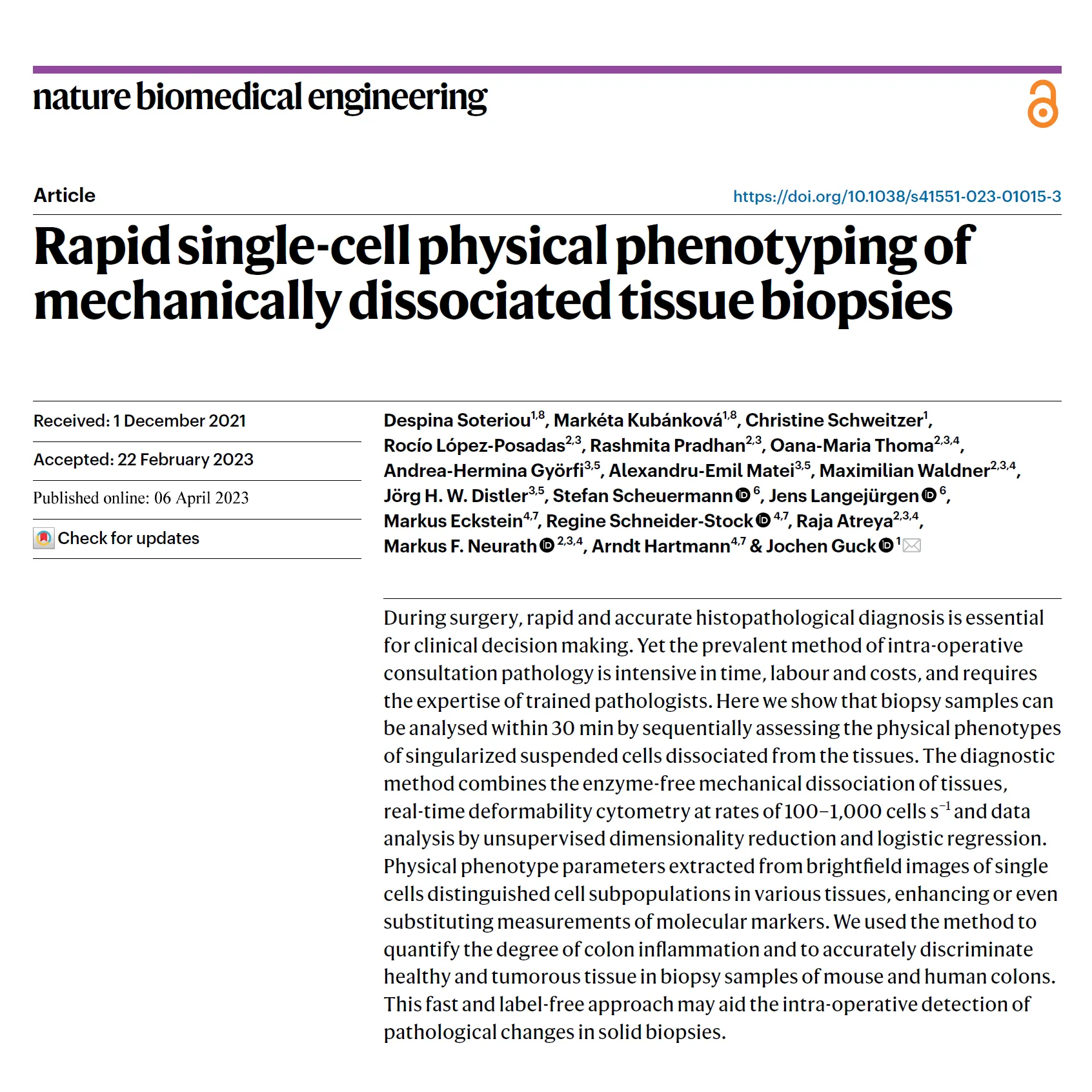
Article published in Nature Biomedical Engineering presenting a rapid, enzyme-free workflow for mechanical tissue dissociation combined with single-cell physical phenotyping. The study demonstrates how biopsy samples can be analyzed within 30 minutes to identify inflamed and tumor tissues.
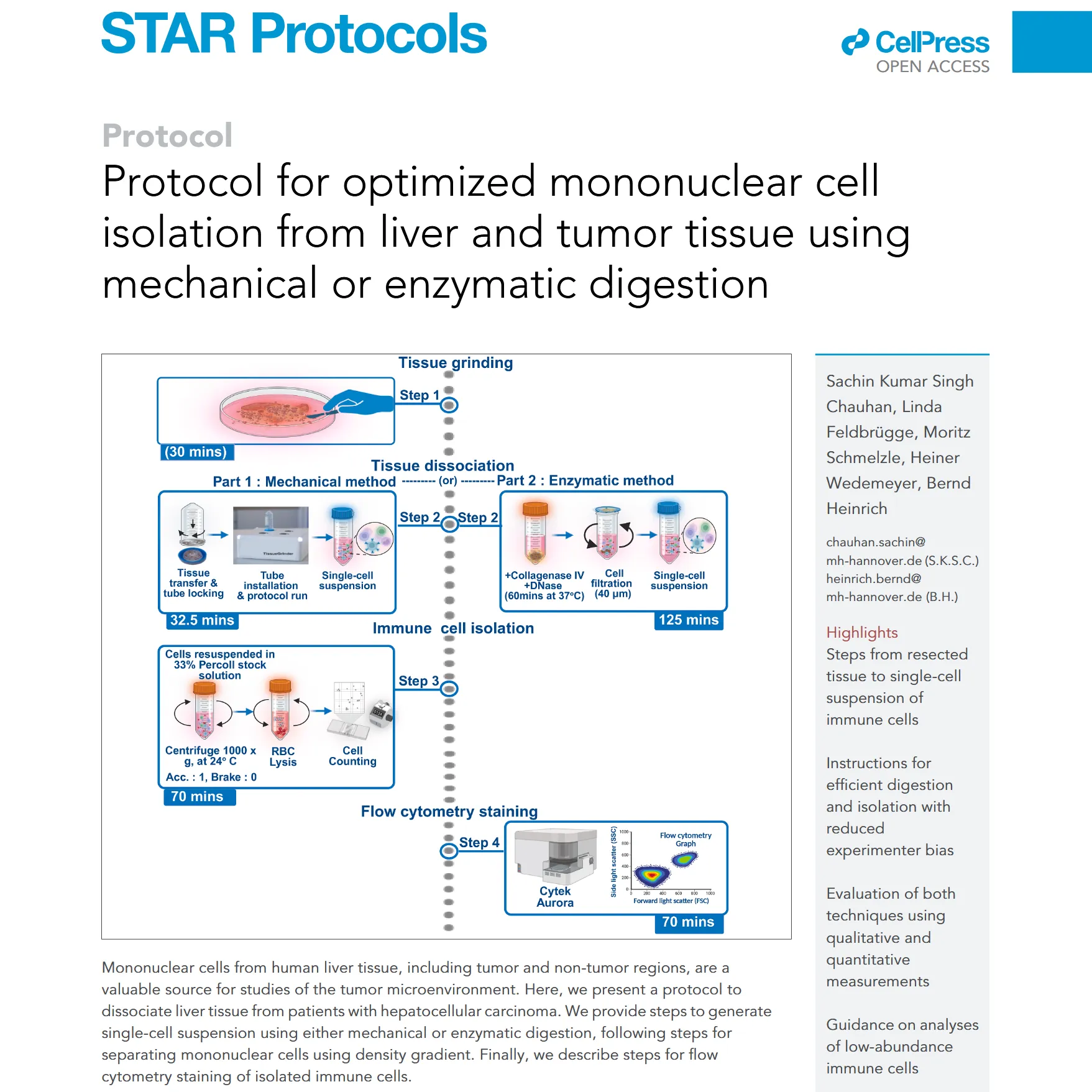
Scientific workflow diagram comparing mechanical tissue dissociation and enzymatic digestion for mononuclear cell isolation and downstream immune cell analysis.
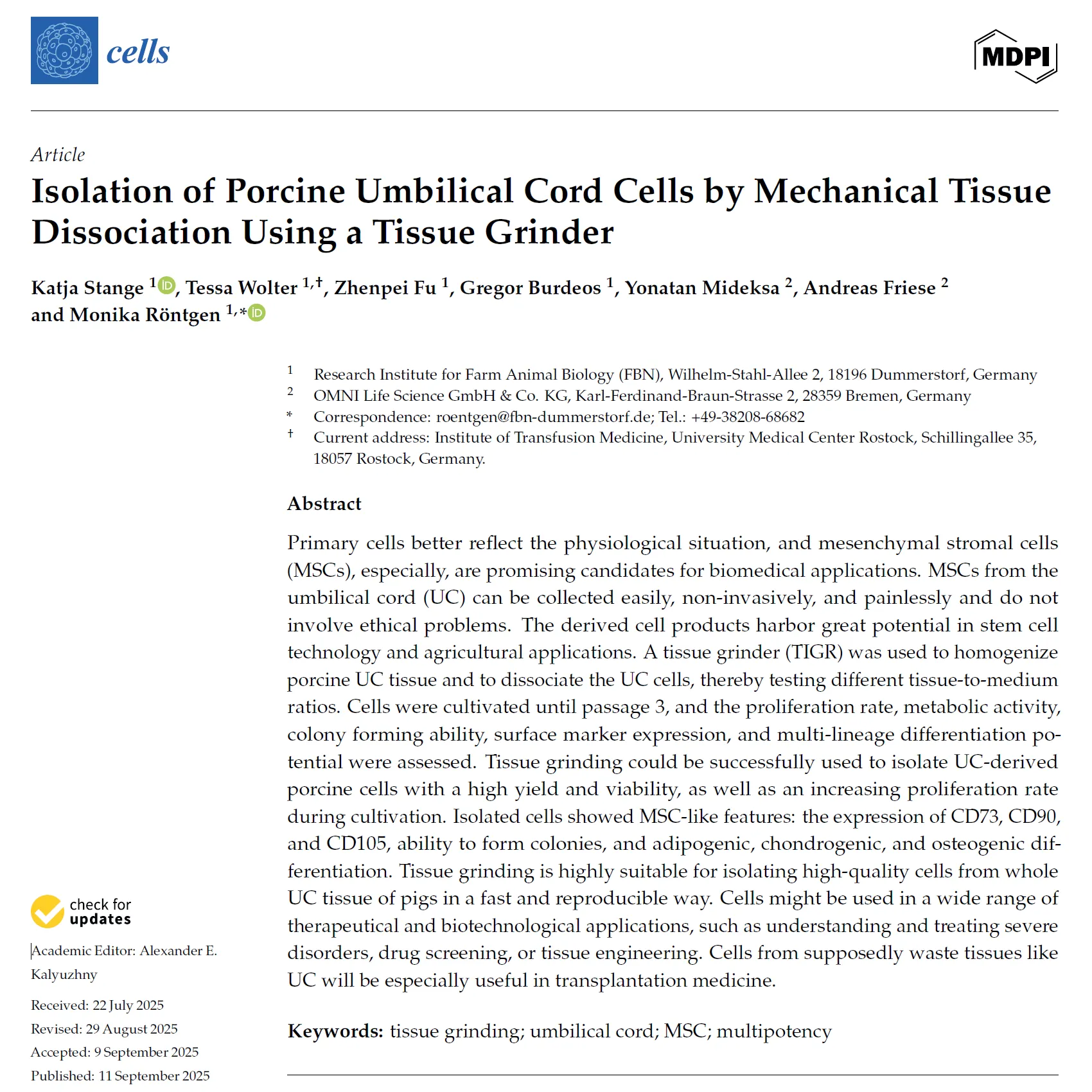
Published research article describing mechanical tissue dissociation of porcine umbilical cord tissue for MSC isolation using TissueGrinder.
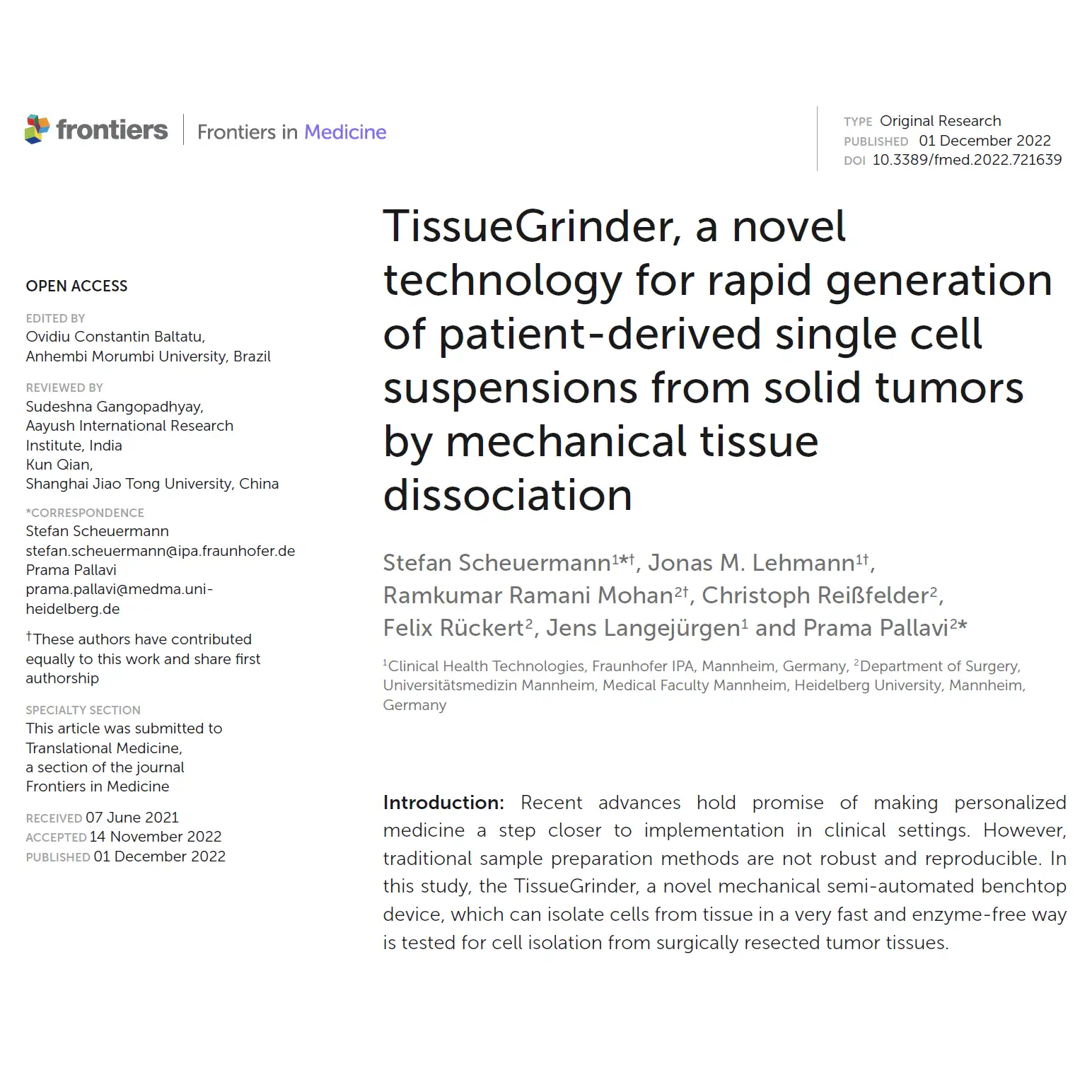
Frontiers in Medicine publication introducing the TissueGrinder, a benchtop device enabling rapid and enzyme-free dissociation of solid tumors into single-cell suspensions.
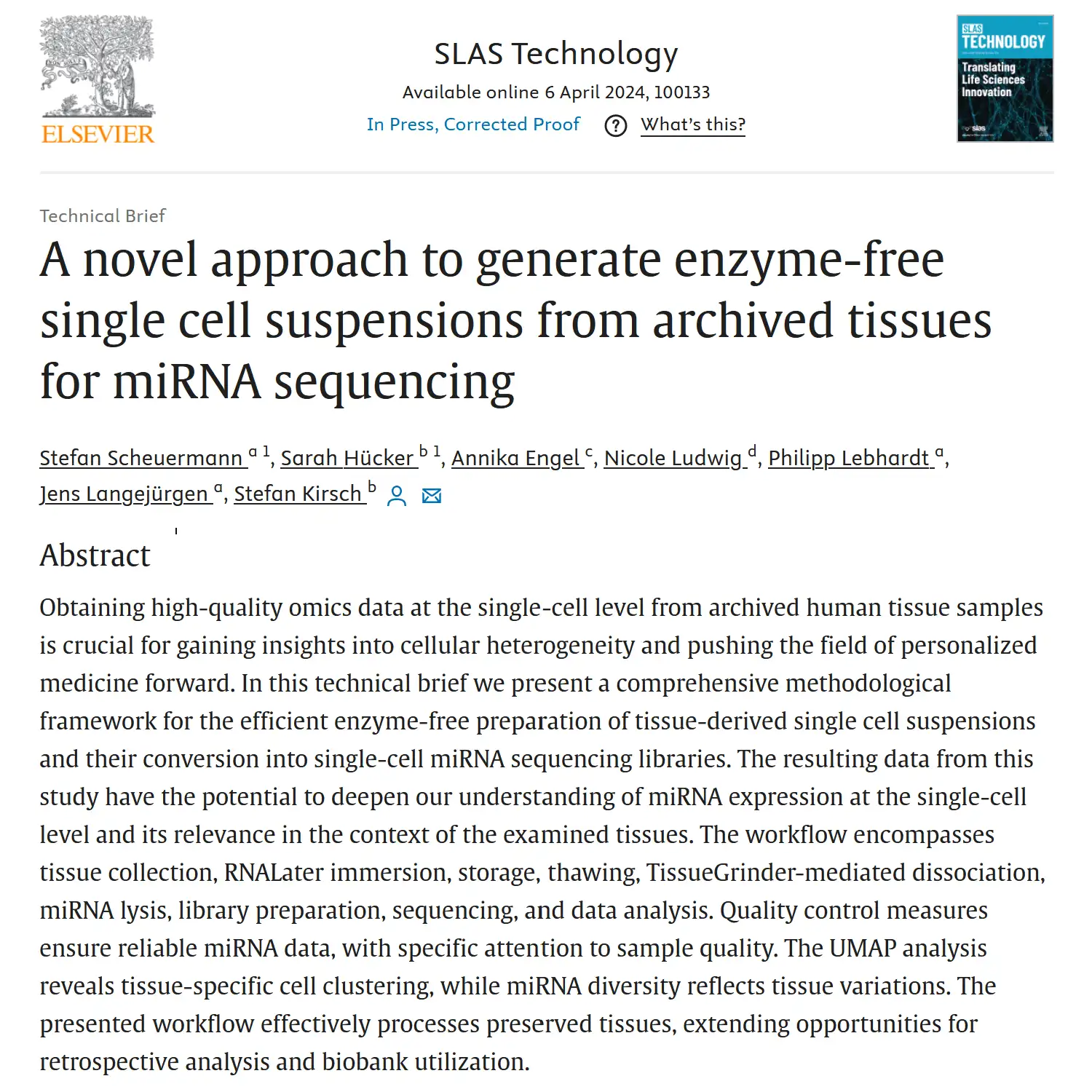
Publication in SLAS Technology presenting an enzyme-free workflow to dissociate archived tissues into single-cell suspensions for reliable miRNA sequencing.
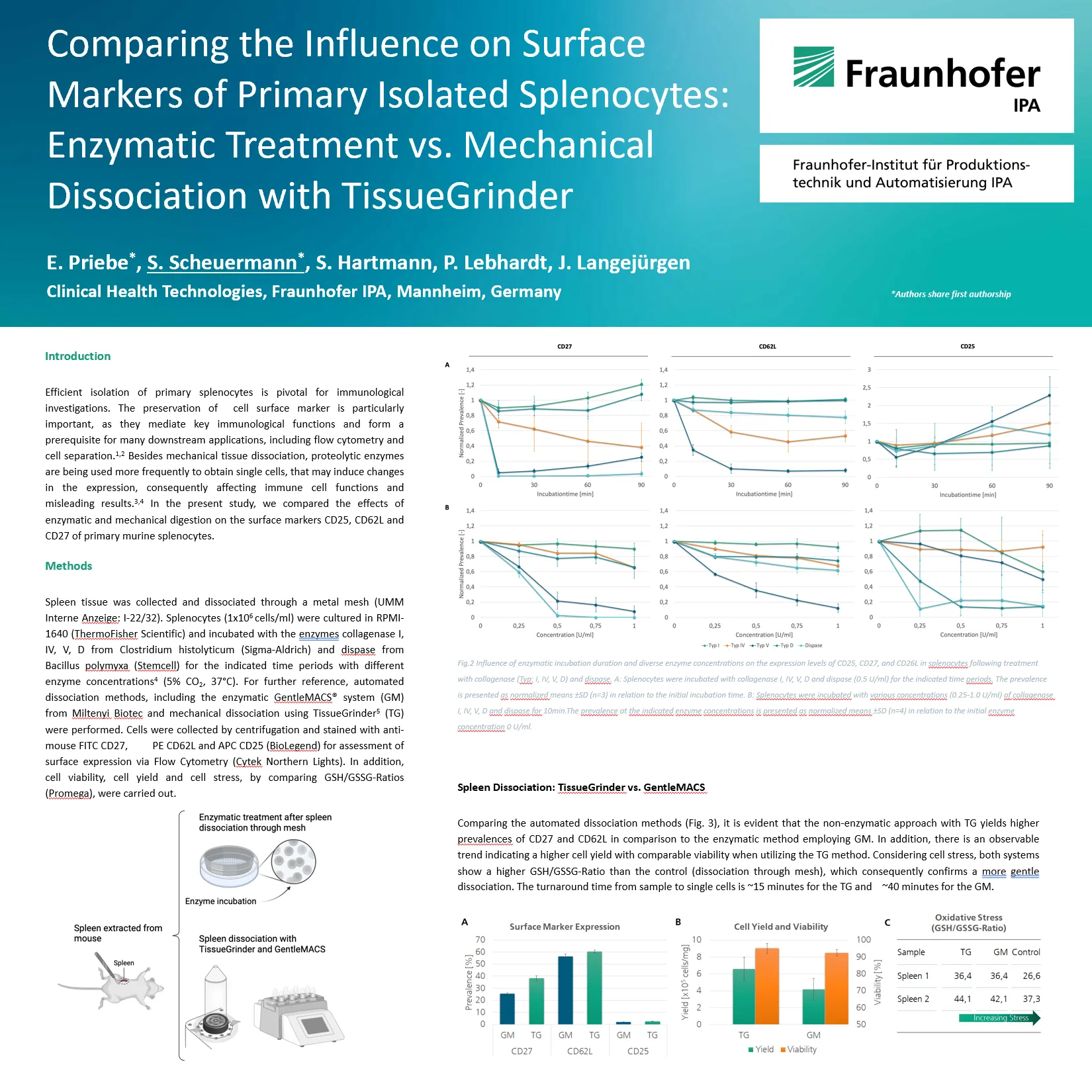
Fraunhofer IPA scientific poster comparing enzymatic treatment with mechanical dissociation using TissueGrinder. The study shows that TissueGrinder preserves surface markers (CD27, CD62L) better than enzymatic digestion, yields comparable viability, and reduces oxidative stress compared to GentleMACS.
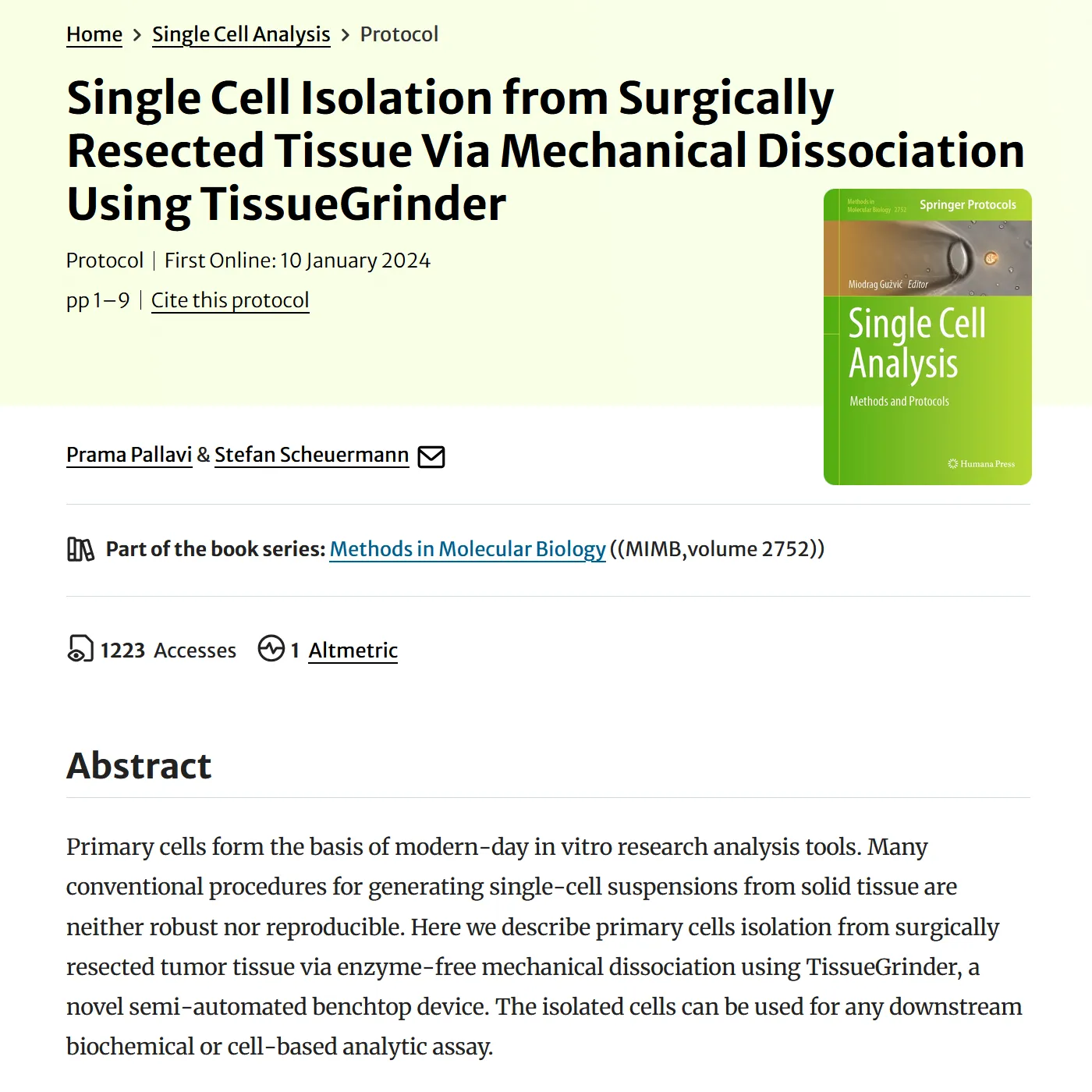
Scientific protocol published in Springer Protocols describing enzyme-free mechanical tissue dissociation for single-cell isolation from surgically resected tissue.
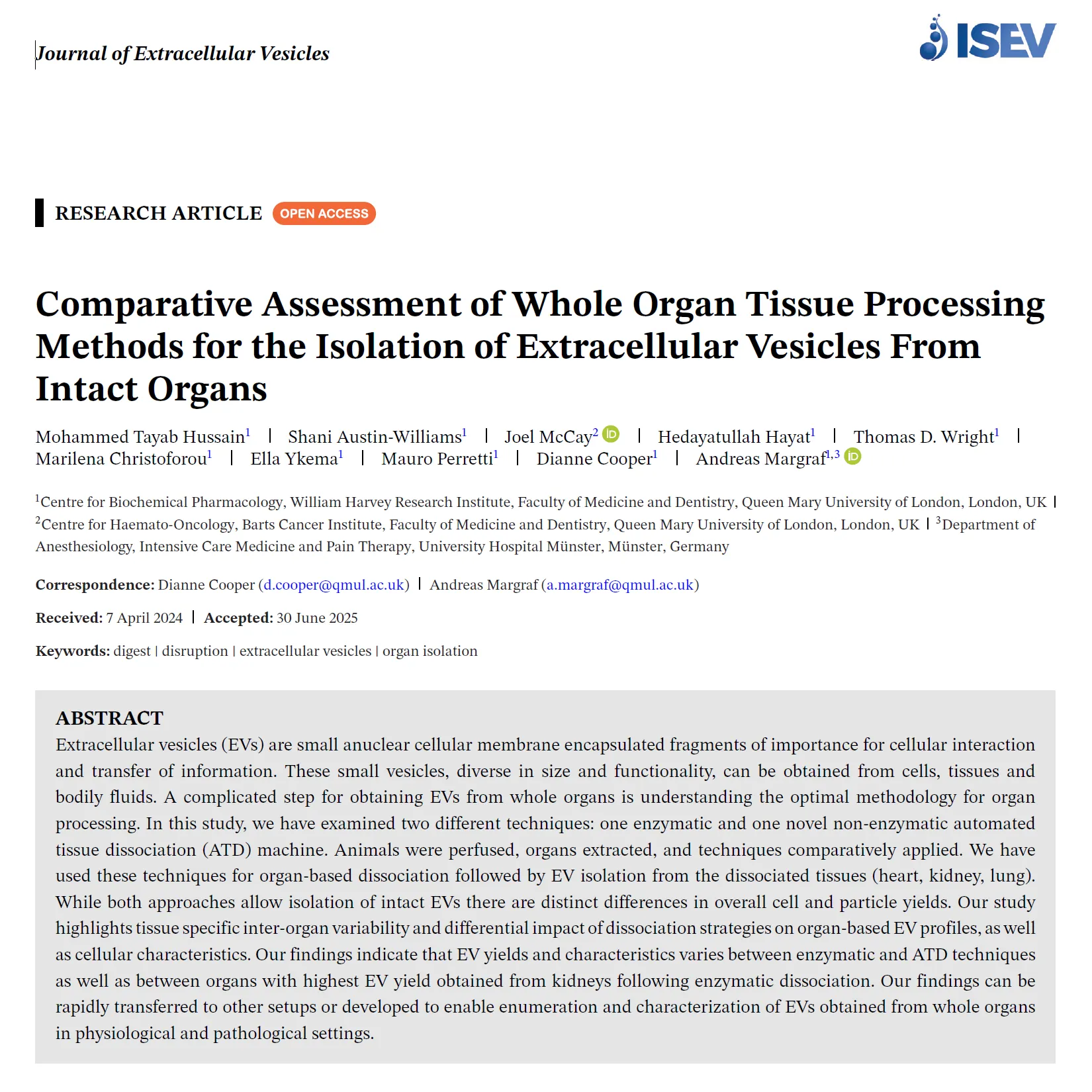
Research article evaluating enzymatic and mechanical tissue dissociation methods for extracellular vesicle isolation from intact organs.
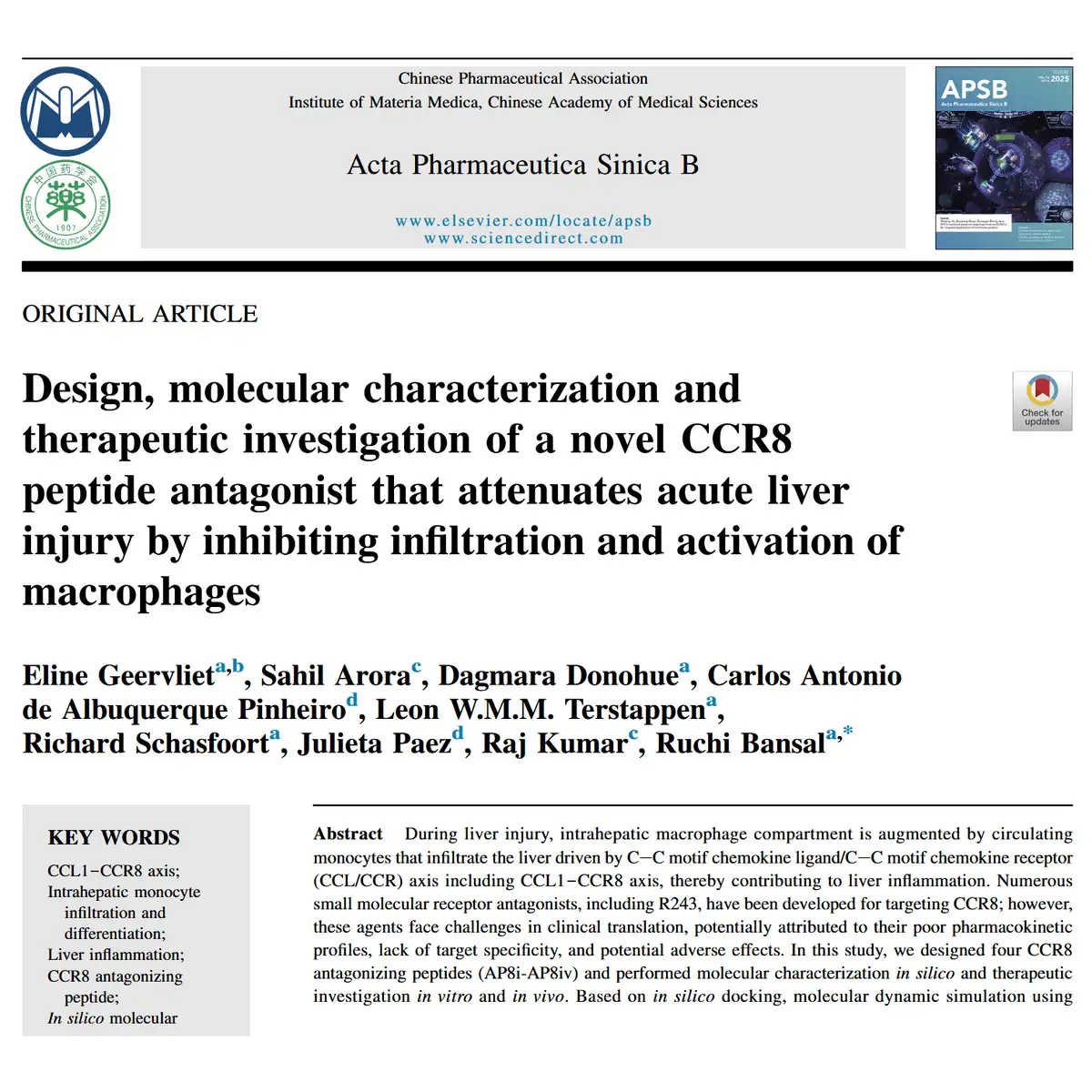
Research article in Acta Pharmaceutica Sinica B on the design and therapeutic potential of a CCR8 peptide antagonist that reduces acute liver injury by modulating macrophage activity.
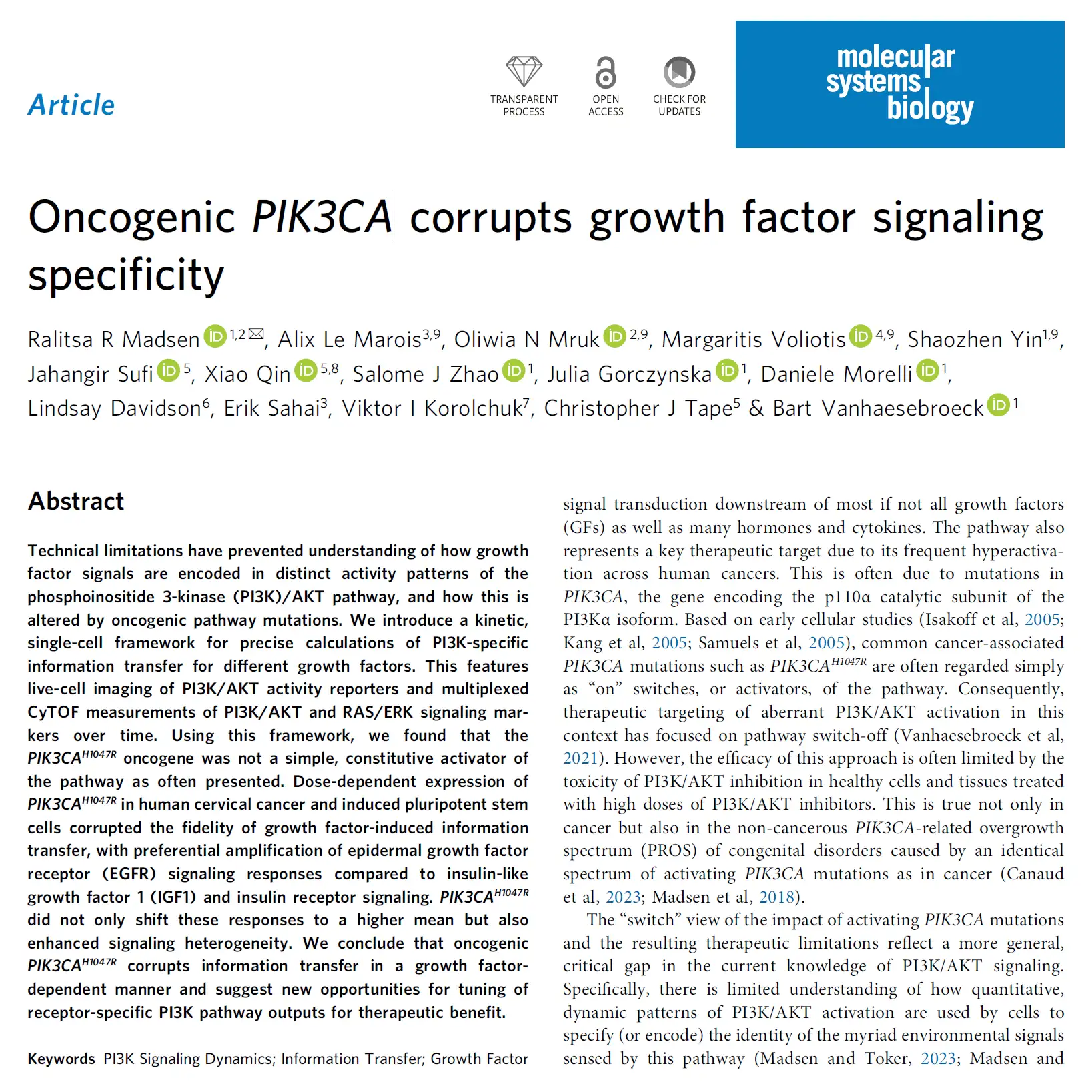
Scientific article discussing how oncogenic PIK3CA mutations disrupt growth factor signaling specificity in the PI3K/AKT pathway.
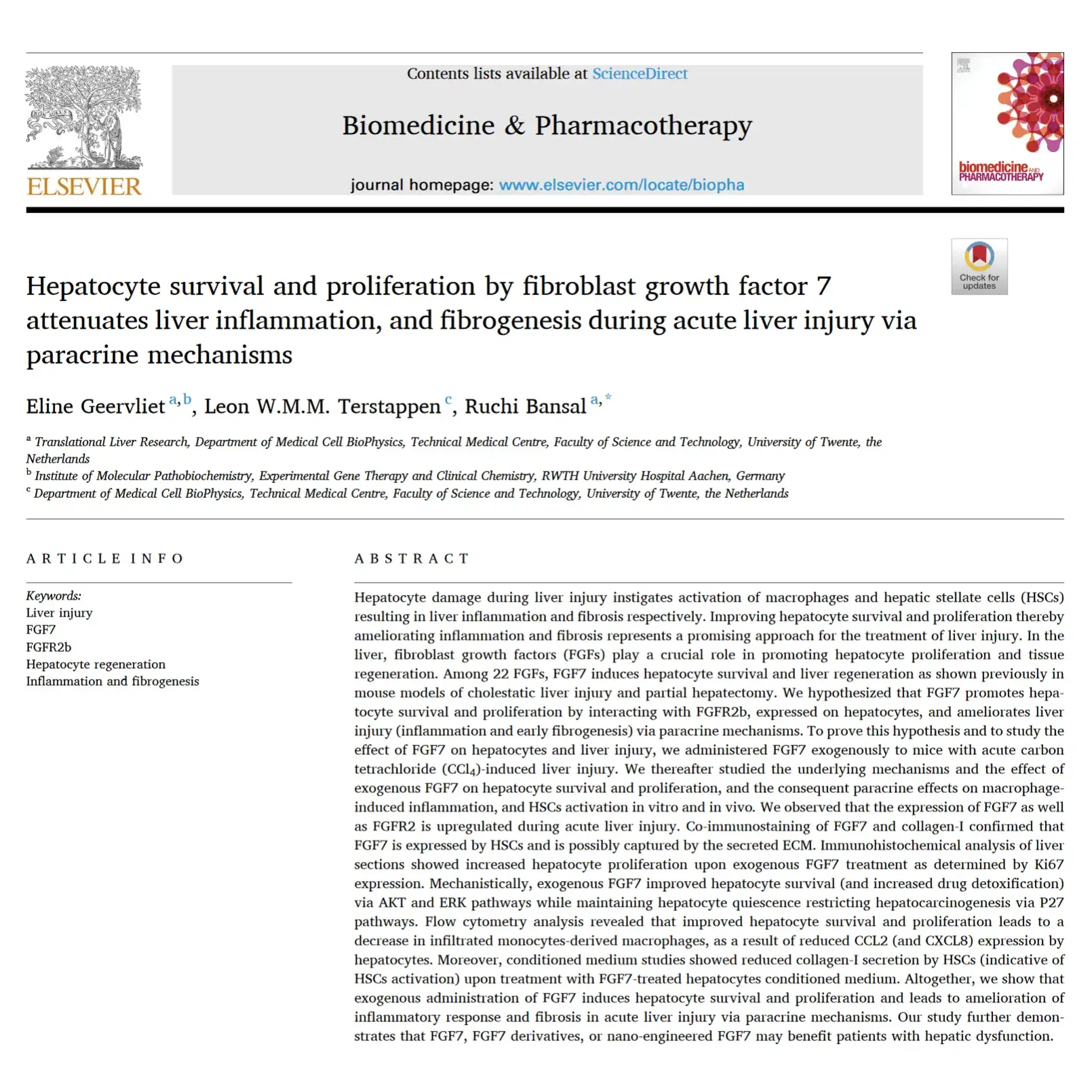
Scientific article in Biomedicine & Pharmacotherapy describing how fibroblast growth factor 7 (FGF7) enhances hepatocyte survival, reduces inflammation, and mitigates fibrosis during acute liver injury.
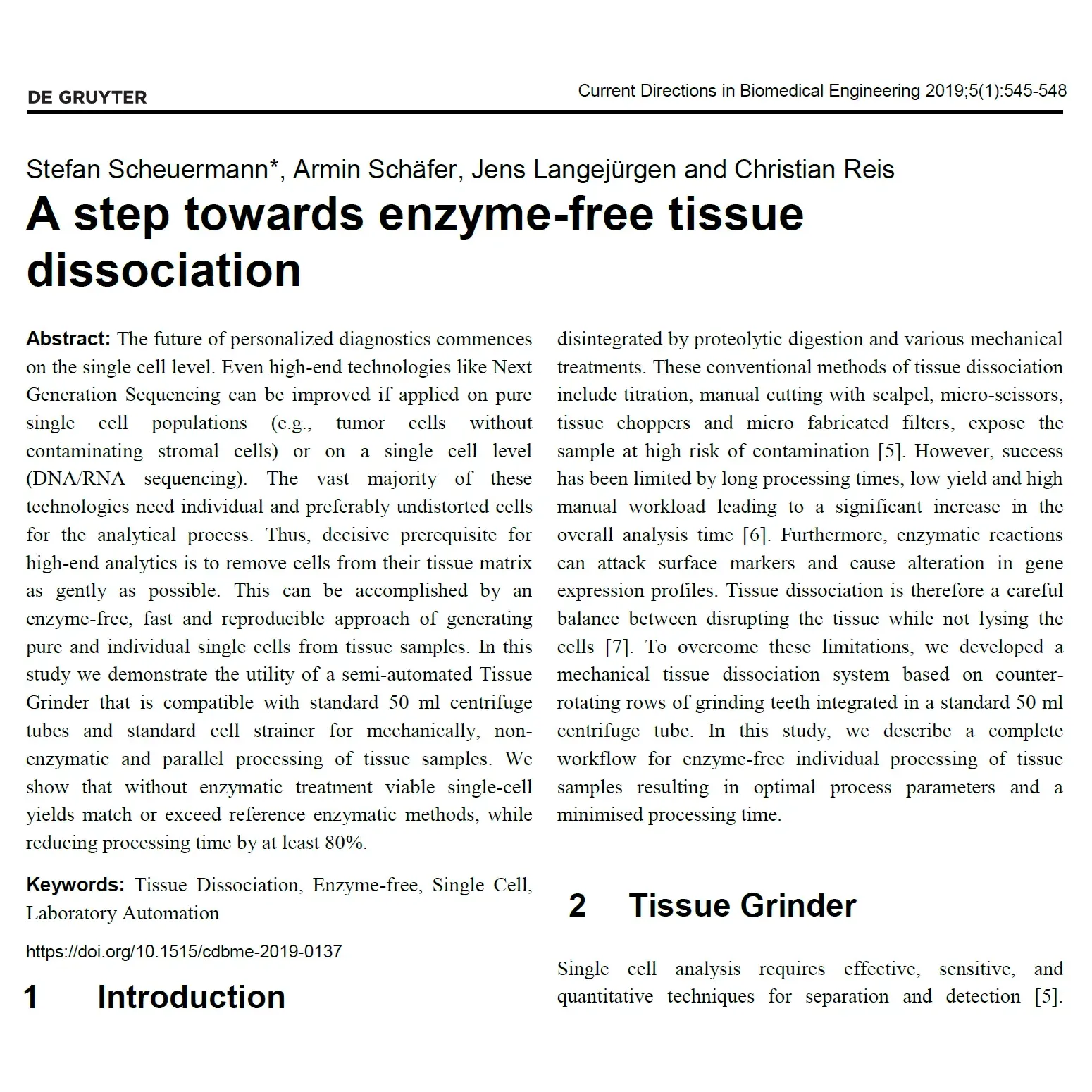
Excerpt from the publication A step towards enzyme-free tissue dissociation by Stefan Scheuermann et al., highlighting a mechanical Tissue Grinder for gentle and efficient single-cell isolation without enzymatic treatment.
Peer-reviewed Publications
Sachin Chauhan (2026): ‘Protocol for optimized mononuclear cell isolation from liver and tumor tissue using mechanical or enzymatic digestion’, published in STAR Protocols, provides a step-by-step workflow for isolating mononuclear cells from human liver and tumor tissue and directly compares mechanical dissociation using the TissueGrinder with conventional enzymatic digestion. The protocol demonstrates that TissueGrinder-based processing enables rapid, enzyme-free generation of viable immune cell suspensions with reduced processing time, lower cost, and improved purity of lymphocyte populations, supporting its suitability for translational immunology, flow cytometry, and single-cell analysis of solid tissues. https://doi.org/10.1016/j.xpro.2025.104289
Aaron Jankelow et al. (2025): ‘Recent advancements in tissue dissociation techniques for cell manufacturing, single-cell analysis, and downstream processing’, published in Stem Cells Translational Medicine comprehensively outlines the current landscape of tissue dissociation technologies and highlights the TissueGrinder as an established example of purely mechanical, enzyme-free dissociation. The article describes TG-based workflows for obtaining viable single-cell suspensions from native and archived tissues and positions mechanical dissociation as a relevant alternative to enzymatic protocols in regenerative medicine and single-cell applications. https://doi.org/10.1093/stcltm/szaf055
Katja Stange (2025): ‘Isolation of Porcine Umbilical Cord Cells by Mechanical Tissue Dissociation Using a Tissue Grinder’ published in cells highlights the TissueGrinder as an effective tool for isolating umbilical cord-derived MSCs, displaying strong proliferation capacity, multipotent differentiation potential, and typical marker expression, underlining their suitability for applications ranging from regenerative medicine to cellular agriculture. https://www.mdpi.com/2073-4409/14/18/1425
Mohammed Tayab Hussain (2025): ‘Comparative Assessment of Whole Organ Tissue Processing Methods for the Isolation of Extracellular Vesicles from Intact Organs’, published in Journal of Extracellular Vesicles, demonstrates how the TissueGrinder enables rapid, enzyme-free organ dissociation for extracellular vesicle research. The study shows that the TissueGrinder-based processing preserves EV characteristics with reduced cell activation, offering a fast and reproducible alternative for EV isolation across organs. https://doi.org/10.1002/jev2.70127
Eline Geervliet (2025) ‘Design, molecular characterization and therapeutic investigation of a novel CCR8 peptide antagonist that attenuates acute liver injury by inhibiting infiltration and activation of macrophages’ published in Acta Pharmaceutica Sinica B (APSB), illustrates how the TissueGrinder facilitates translational liver research by preserving key surface markers critical for immune cell profiling, allowing precise assessment of therapeutic effects. https://www.sciencedirect.com/science/article/pii/S2211383525000942
Sung Ho Mun et al. (2024): ‘Rebuilding the microenvironment of primary tumors in humans: a focus on stroma’, published in Nature Experimental & Molecular Medicine This method-focused review discusses mechanical, enzymatic, and chemical approaches to tissue dissociation in tumor research and highlights the relevance of enzyme-free mechanical workflows for preserving stromal and immune components. While not evaluating the TissueGrinder directly, the article provides strong independent support for mechanical dissociation as an important alternative to enzymatic digestion in primary tumor processing. https://www.nature.com/articles/s12276-024-01191-5
Ralitsa R Madsen et al (2024): ‘Oncogenic PIK3CA corrupts growth factor signaling specificity’ published in Molecular Systems Biology reveals that the TissueGrinder is contributing to cutting-edge research by enabling enzyme-free dissociation of spheroids, ensuring surface marker preservation for mass cytometry studies. https://doi.org/10.1038/s44320-024-00078-x
Stefan Scheuermann et al (2024): ‘A novel approach to generate enzyme-free single cell suspensions from archived tissues for miRNA sequencing’, published in ScienceDirect, demonstrates how the TissueGrinder makes archived tissue samples efficiently available for RNA sequencing https://www.sciencedirect.com/science/article/pii/S2472630324000153
Despina Soteriou et al (2023): ‘Rapid single-cell physical phenotyping of mechanically dissociated tissue biopsies’ published by Nature Biomedical Engineering is showing how the TissueGrinder can effectively facilitate flow cytometry of cells from tissue samples and offers a perspective for better diagnosis during surgery. https://www.nature.com/articles/s41551-023-01015-3
Eline Geervliet et al. (2023): ‘Hepatocyte survival and proliferation by fibroblast growth factor 7 attenuates liver inflammation and fibrogenesis during acute liver injury via paracrine mechanisms’, published in Biomedicine & Pharmacotherapy, demonstrates that the TissueGrinder enables efficient mechanical dissociation of liver tissue for RNA isolation in preclinical liver injury models, contributing to the molecular analysis of regenerative responses. https://doi.org/10.1016/j.biopha.2023.115612
Stefan Scheuermann et al (2022): ‘TissueGrinder, a novel technology for rapid generation of patient-derived single cell suspensions from solid tumors by mechanical tissue dissociation’, published by Frontiers in Medicine, illustrates how our technology is of benefit in cell culture and for generating cell lines. https://www.frontiersin.org/articles/10.3389/fmed.2022.721639/full
Sachin Chauhan (2026): ‘Protocol for optimized mononuclear cell isolation from liver and tumor tissue using mechanical or enzymatic digestion’, published in STAR Protocols, provides a step-by-step workflow for isolating mononuclear cells from human liver and tumor tissue and directly compares mechanical dissociation using the TissueGrinder with conventional enzymatic digestion. The protocol demonstrates that TissueGrinder-based processing enables rapid, enzyme-free generation of viable immune cell suspensions with reduced processing time, lower cost, and improved purity of lymphocyte populations, supporting its suitability for translational immunology, flow cytometry, and single-cell analysis of solid tissues. https://doi.org/10.1016/j.xpro.2025.104289
Ralitsa R. Madsen (2024): ‘Processing of fixed spheroids for TOBis barcoding, enzyme-free dissociation and antibody staining for CyTOF’ published on protocols.io details a standardized workflow that employs the TissueGrinder for gentle, enzyme-free spheroid dissociation, ensuring surface-marker preservation for high-dimensional mass-cytometry analysis. https://www.protocols.io/view/processing-of-fixed-spheroids-for-tobis-barcoding-c5h3y38n.html
Prama Pallavi et al (2024): ‘Single Cell Isolation from Surgically Resected Tissue Via Mechanical Dissociation Using TissueGrinder’, published in Single Cell Analysis. Methods in Molecular Biology, describes a standardized protocol for generating viable single-cell suspensions from surgically resected tumor tissue using enzyme-free mechanical dissociation with the TissueGrinder. The chapter outlines critical handling steps, processing parameters, and downstream compatibility, demonstrating that TissueGrinder-based workflows provide a reproducible and robust alternative to conventional enzymatic approaches for solid tumor dissociation. The isolated cells are suitable for subsequent biochemical, molecular, and cell-based analyses, supporting translational research and single-cell applications in oncology. https://doi.org/10.1007/978-1-0716-3621-3_1
Doctoral Theses & Conference Contributions
Manon Bouzereau (2025): ‘Long-term functional drug and immunotherapy screening in immune-competent patient-derived microtissues across brain tumors’, published in Neuro-Oncology, compares enzymatic vs. mechanical dissociation and shows that the TissueGrinder preserves extracellular matrix components, enabling more uniform microtissue formation, eliminating the need for astrocyte co-culture, and accelerating sample processing. The TissueGrinder-based workflow supports long-term functional drug screening, immune-response profiling, and CAR T-cell co-culture assays across glioblastoma, meningioma, metastasis, and schwannoma samples. https://doi.org/10.1093/neuonc/noaf201.1378
Amy L. Collins (2024): ‘The development of hepatocellular carcinoma models in precision-cut tissue slices for therapeutic screening and precision medicine’, Dissertation at Newcastle University, demonstrates how the TissueGrinder supports cutting-edge cancer modeling by enabling rapid and enzyme-free preparation of viable liver cell suspensions for imaging-based analysis and machine learning applications. https://theses.ncl.ac.uk/jspui/bitstream/10443/6287/1/Collins%20A%20L%202024.pdf
Richell Booijink (2024): ‘Single cell secretome analyses of hepatic immune and stromal cells in liver disease’, Dissertation at the University of Twente employs the TissueGrinder for rapid, enzyme-free mechanical dissociation of mouse liver tissue to generate viable single-cell suspensions for immunolabeling, FACS sorting, and single-cell secretome analysis. The work demonstrates that TissueGrinder-based dissociation preserves key surface markers and enables high-resolution functional profiling of immune and stromal cell subsets in MASH models. https://ris.utwente.nl/ws/portalfiles/portal/483395038/178185_Booijink_binnenwerk.pdf#page=34
Priebe et al. (2023): ‘Comparing the Influence on Surface Markers of Primary Isolated Splenocytes: Enzymatic Treatment vs. Mechanical Dissociation with TissueGrinder’, presented at the PONS Poster Session during the Lesser-Loewe Symposium Pathology: Opportunities for Newcomers in Science (UMM, 28-29 September 2023), shows that the TissueGrinder enables rapid, enzyme-free dissociation of spleen tissue while preserving key surface markers such as CD27 and CD62L – making it ideally suited for immune profiling and flow cytometry. https://fast-forward-discoveries.com/wp-content/uploads/2023/10/TissueGrinder-2023-Fraunhofer_ScientificPoster-WEB.pdf
Preprints & research in progress
James Opzoomer (2024): SIGNAL-seq: Multimodal Single-cell Inter- and Intra-cellular Signalling Analysis’, bioRxiv, describes the SIGNAL-seq workflow for simultaneous single-cell profiling of PTMs, proteins, poly-A and non-poly-A RNA in fixed 3D models. The authors dissociate HeLa spheroids using the TissueGrinder as an integral preparatory step prior to split-pool combinatorial barcoding, demonstrating the TissueGrinder’s suitability for non-enzymatic dissociation of fixed spheroids. https://doi.org/10.1101/2024.02.23.581433
Sam M. Lockhart et al. (2024): ‘Damaging mutations in LXRα uncouple lipogenesis from hepatotoxicity and implicate hepatic cholesterol sensing in human liver health’, bioRxiv preprint, uses the FFX TissueGrinder with the liver protocol for mechanical dissociation of perfused murine liver tissue prior to flow cytometry. The study integrates TG-based sample preparation into an extensive genetic and functional investigation of LXRα variants in mice and humans. https://doi.org/10.1101/2024.04.28.591512
Additional Relevant Literature
Mario Mand (2024): ‘Investigation of the Effect of High Shear Stress on Mesenchymal Stem Cells Using a Rotational Rheometer in a Small-Angle Cone–Plate Configuration’, Bioengineering evaluates how different mechanical and microfluidic dissociation systems expose AD-MSCs to shear stress and how this affects cell viability and function, highlighting that low shear stress (~0.8–3 Pa) is unlikely to damage AD-MSCs and is therefore preferable for maintaining cell integrity during isolation. In this context, the paper references Scheuermann et al. (2020), classifying the rotor–stator–based approach used in the TissueGrinder as a low-shear mechanical dissociation method. https://doi.org/10.3390/bioengineering11101011
Would you like to upgrade the sample preparation for your research too?
Then contact us to arrange a test run with the TissueGrinder for your own samples and improve your surface marker detection!