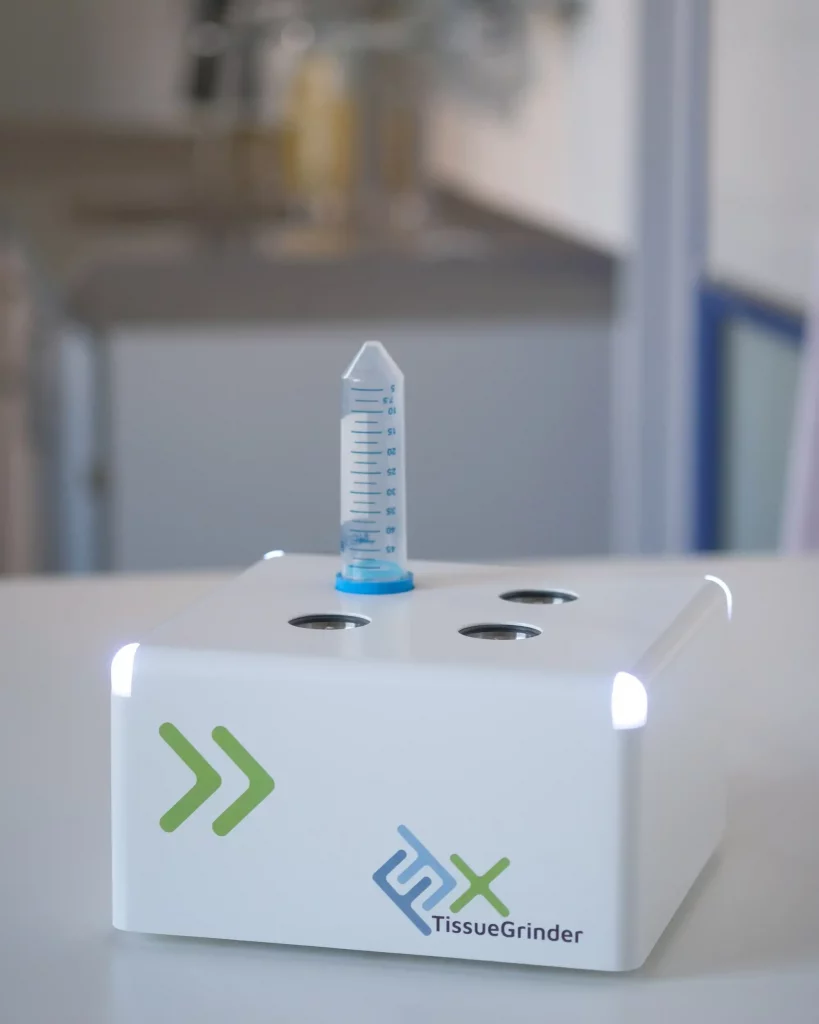
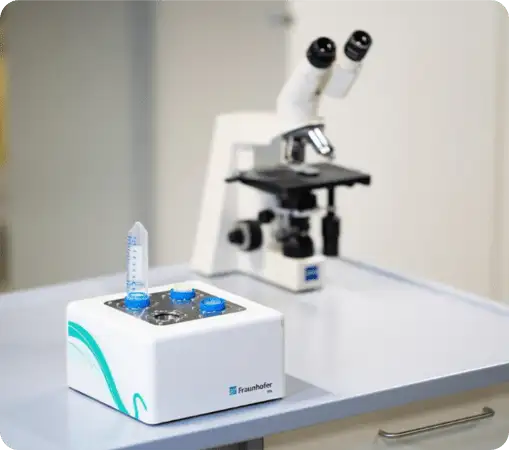
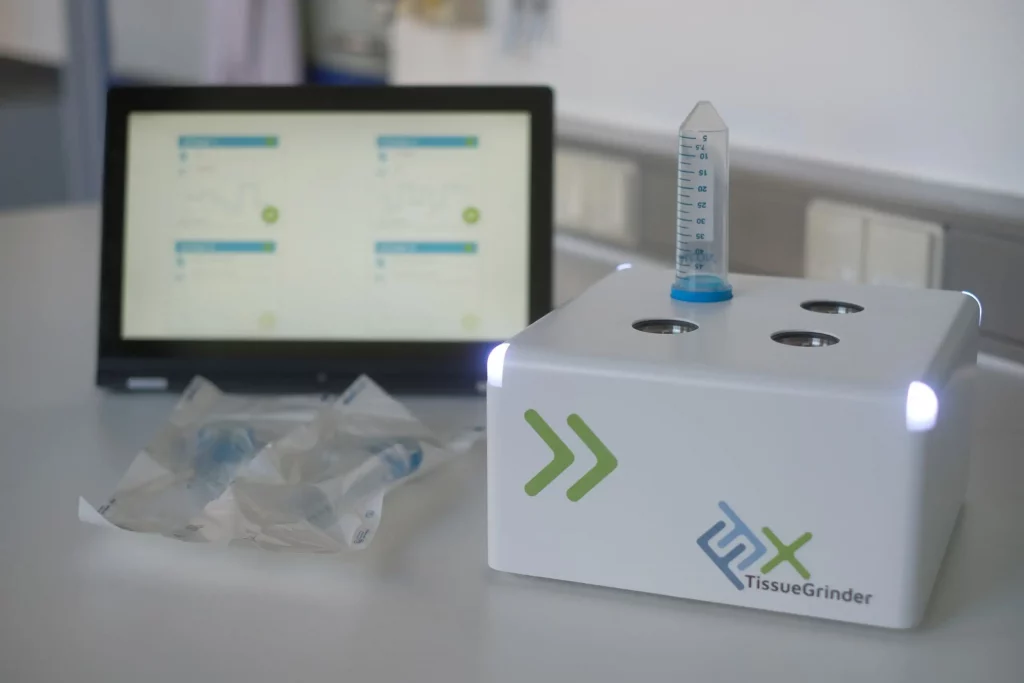
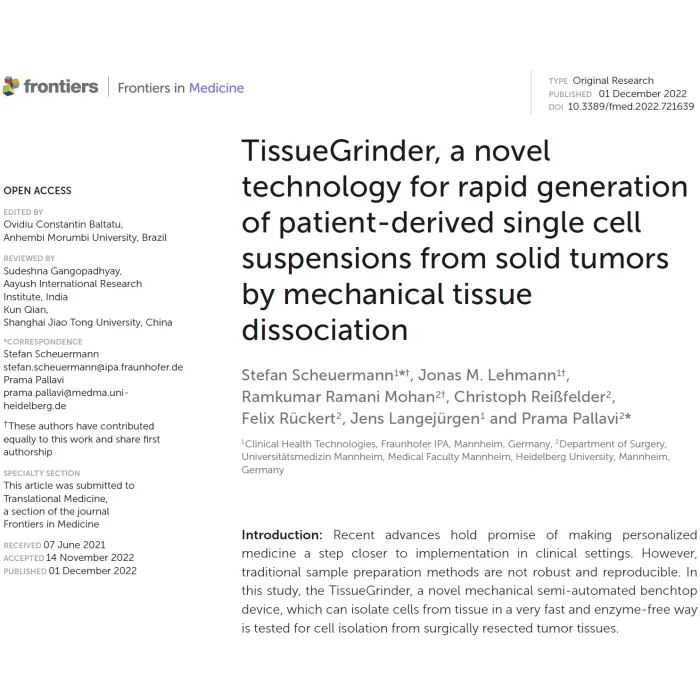
…was developed at the Fraunhofer Institute for Manufacturing Engineering and Automation in Mannheim. ⇒
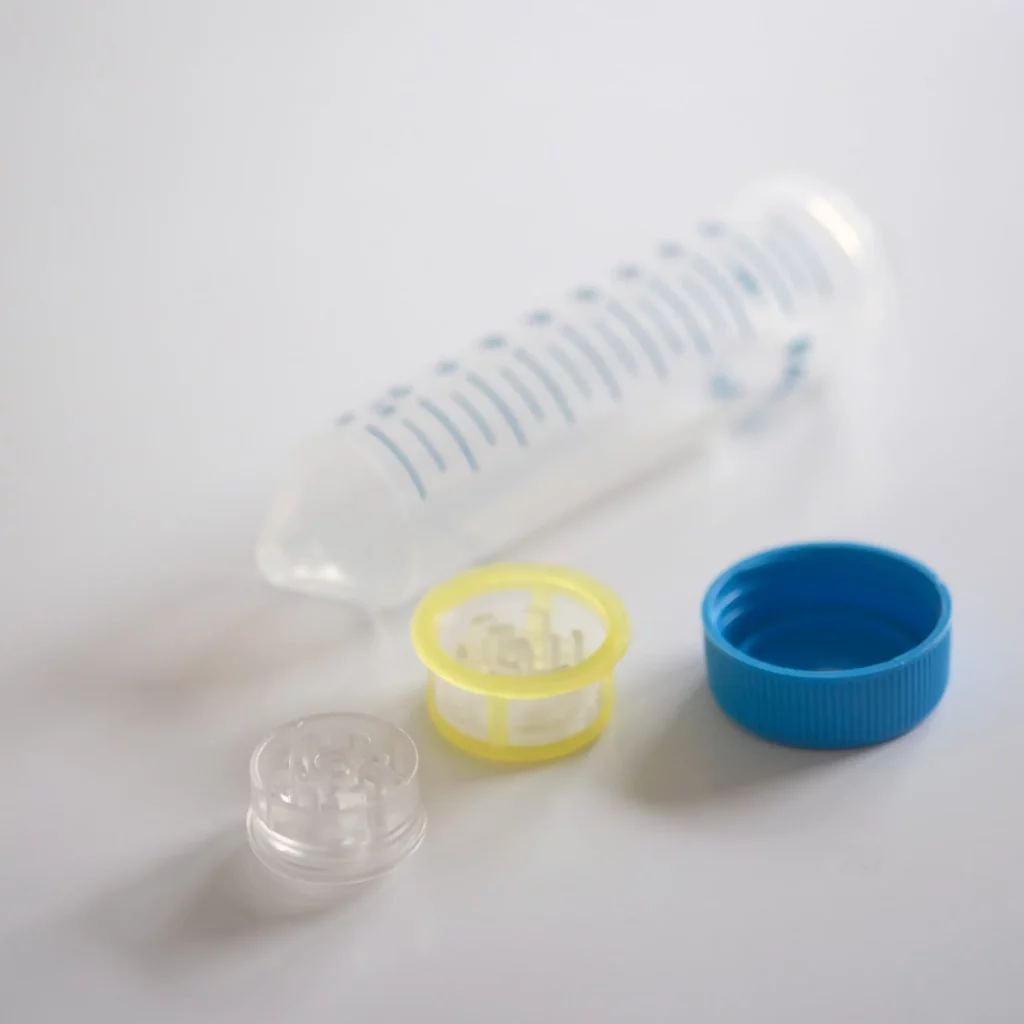
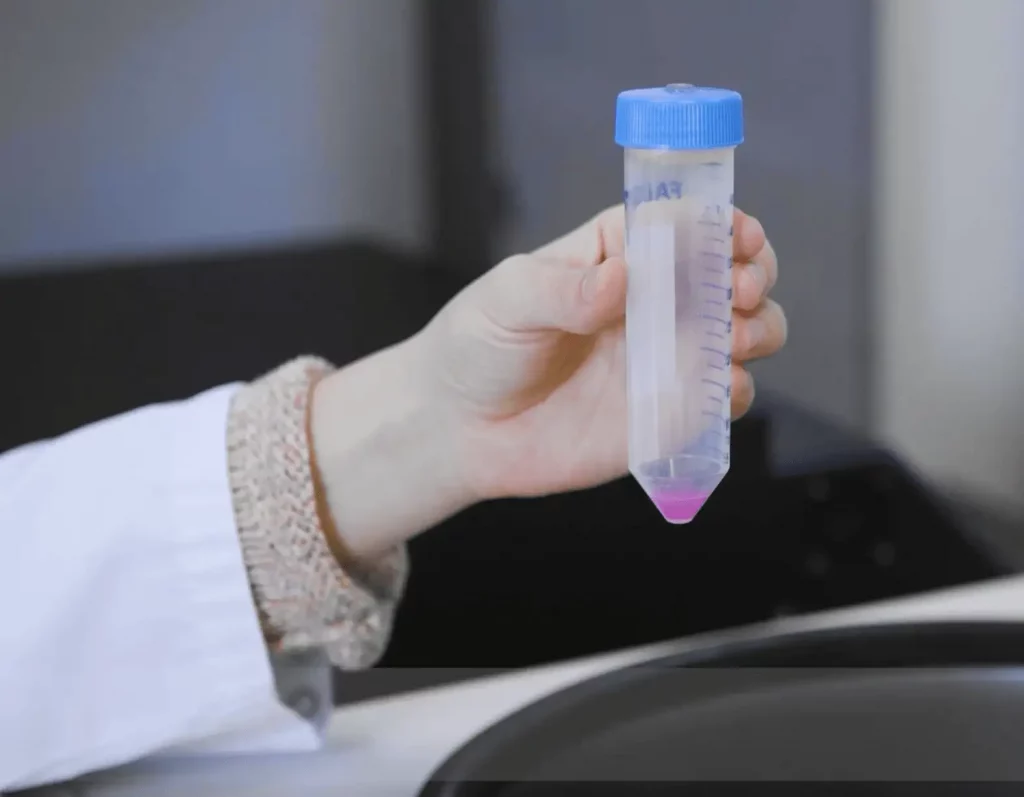
It facilitates a standardized sample preparation with subsequent filtration in a closed, sterile system, based on standard labware.
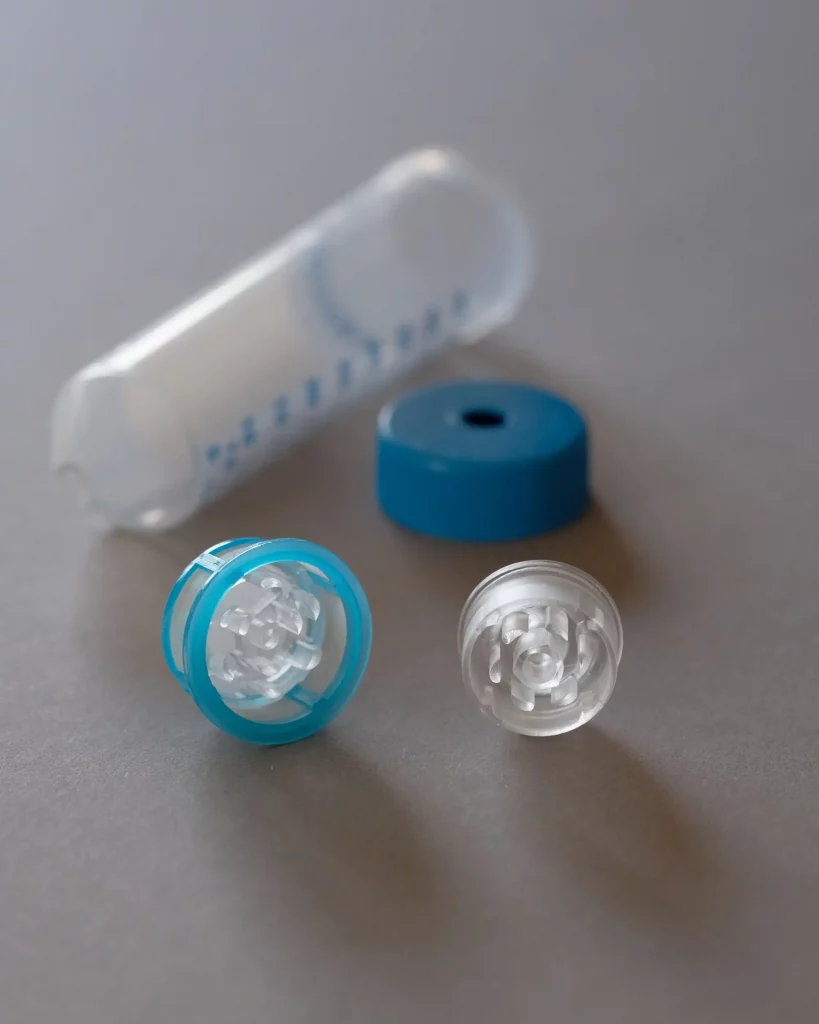
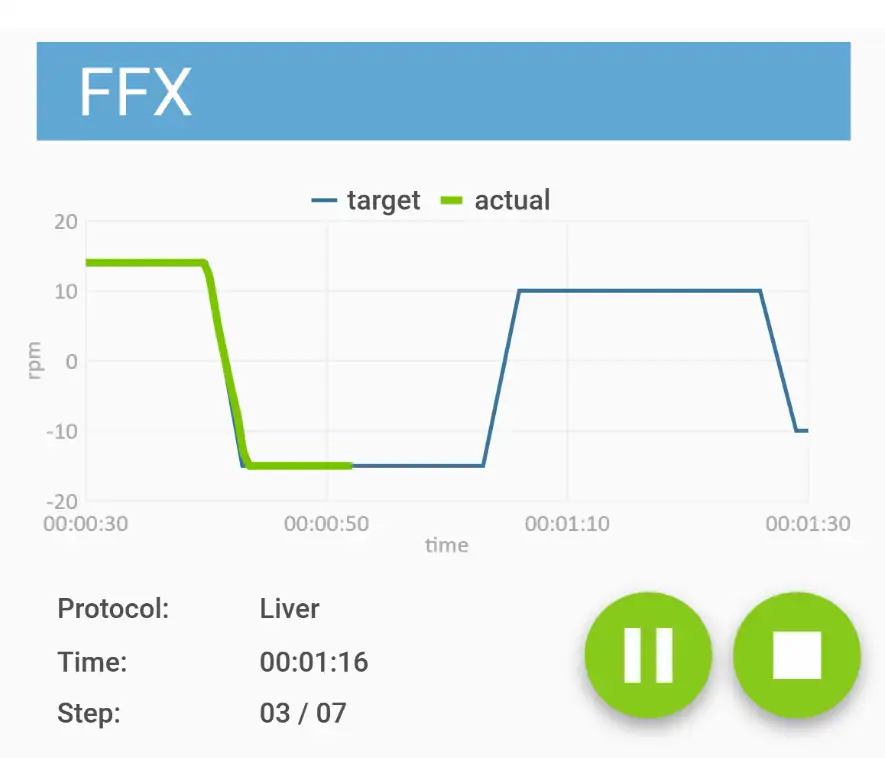
A benchtop-device with four ports allows customizable process control for mechanical tissue dissociation with special grinding consumables, yielding high quality single cell suspensions from fresh or frozen or even FFPE tissue samples, which can be used for a multitude of applications.
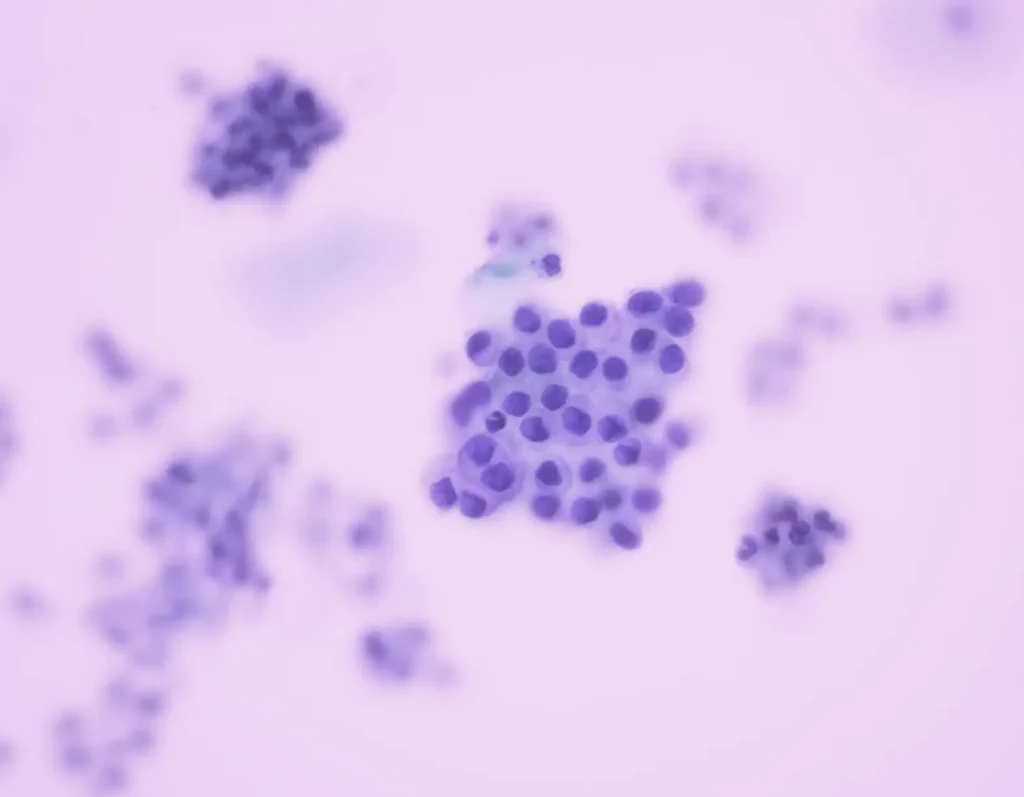
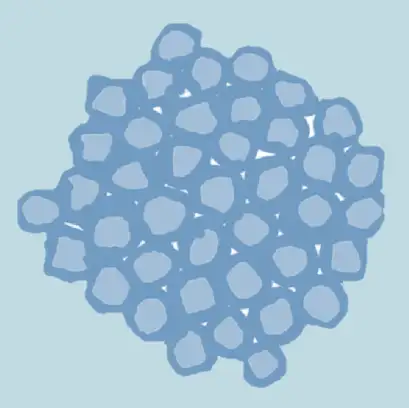
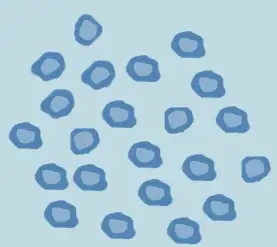
By employing an ideal combination of shearing and cutting forces, highly viable cells can be obtained for cytometry, further cytological and molecular analysis or cultivation.
The TissueGrinder is able to dissociate a great variety of tissue types in different conditions - healthy, tumorous, fresh, frozen or even FFPE.
Generating single cell suspensions from tissue samples is highly individual. With easily adaptable protocols, the TissueGrinder accomodates specific customizations for each application.
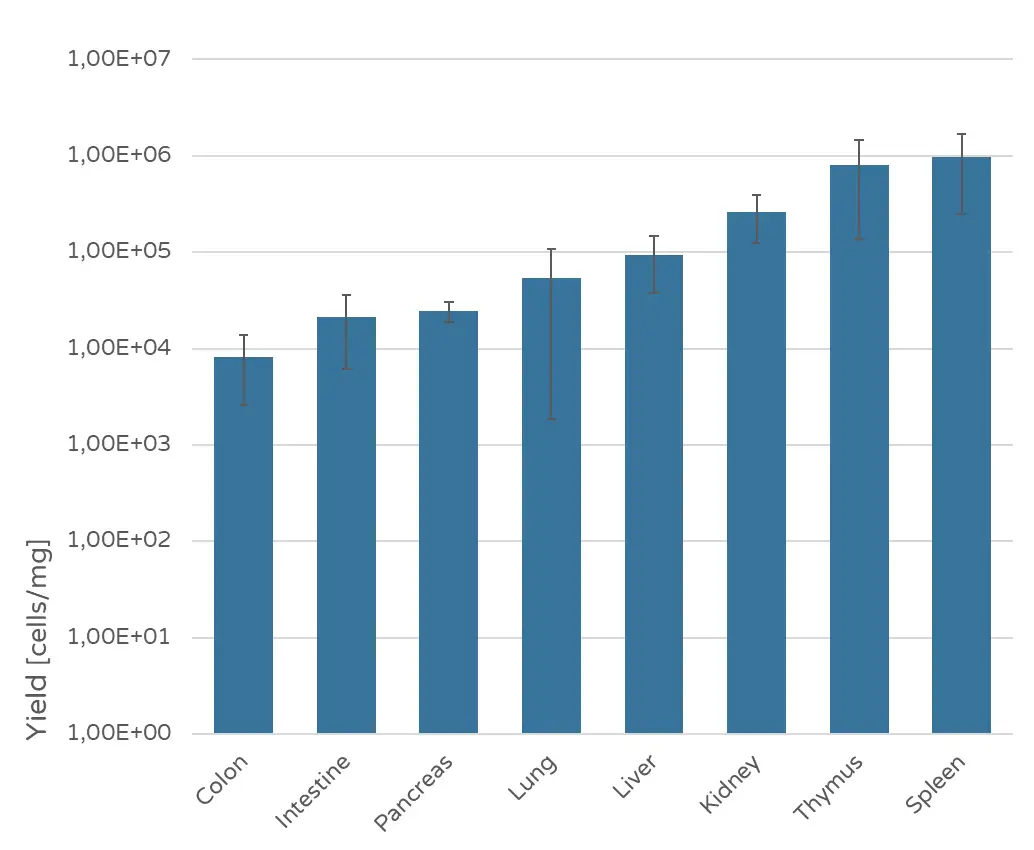
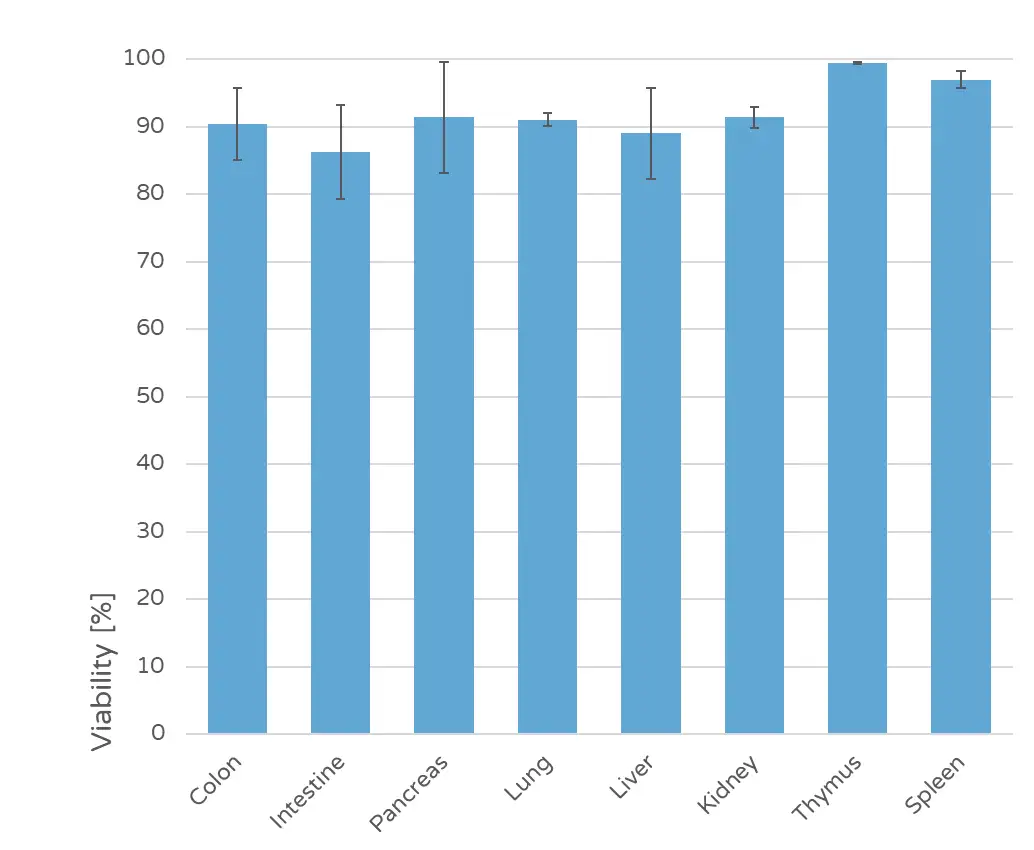
The mechanical process of the TissueGrinder matches or even outperforms the best enzymatic protocols in terms of cell yield and viability.
The mechanical process of the TissueGrinder matches or even outperforms the best enzymatic protocols in terms of cell yield and viability.
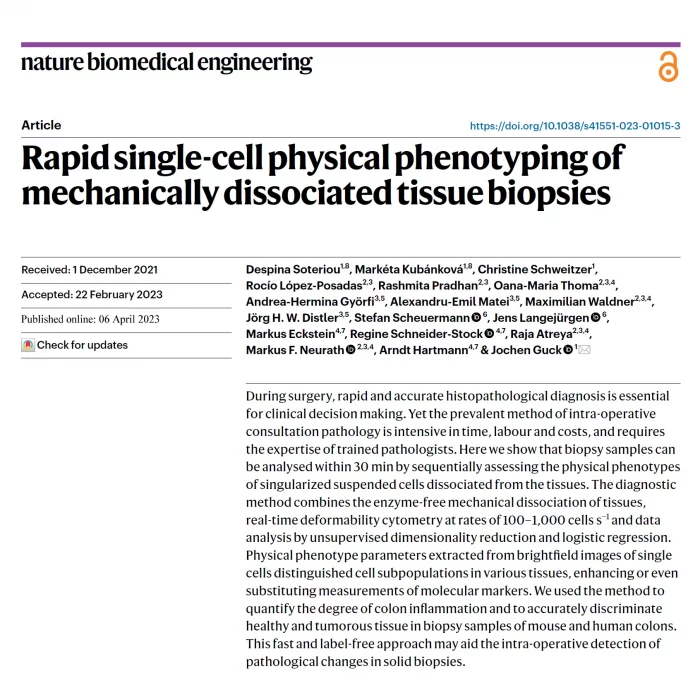
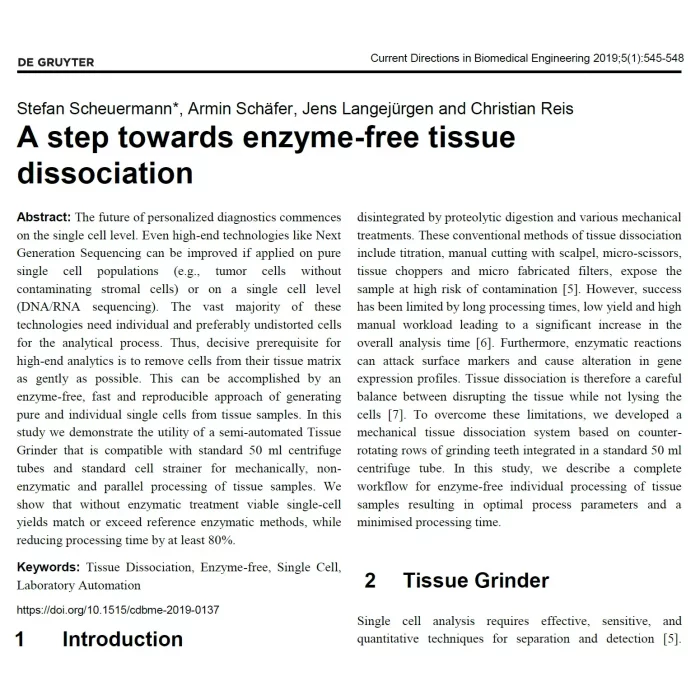
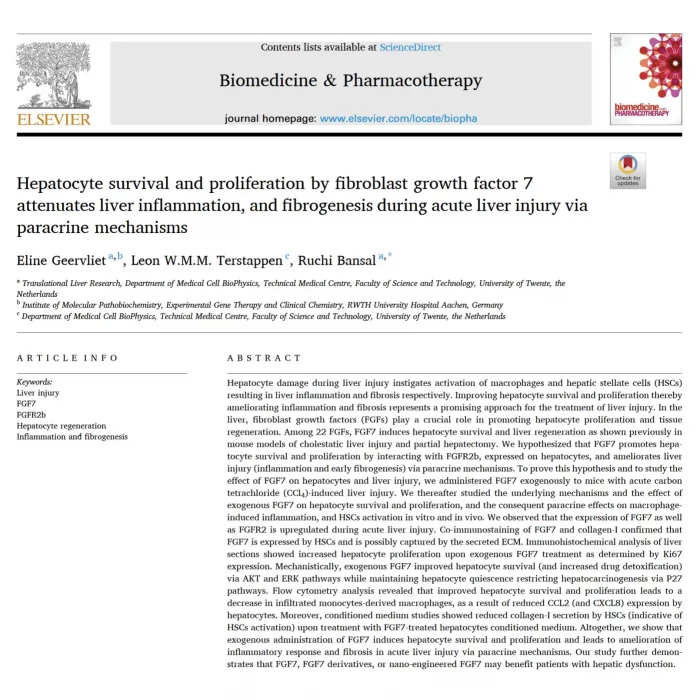
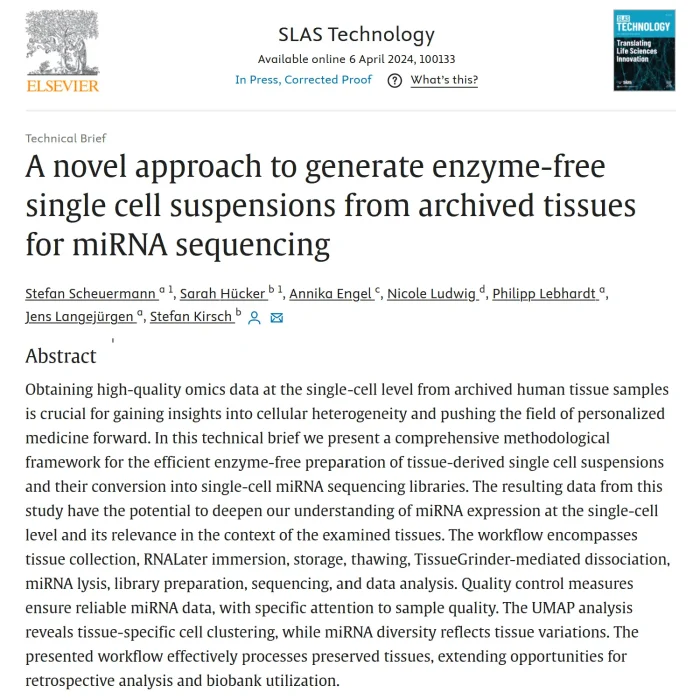
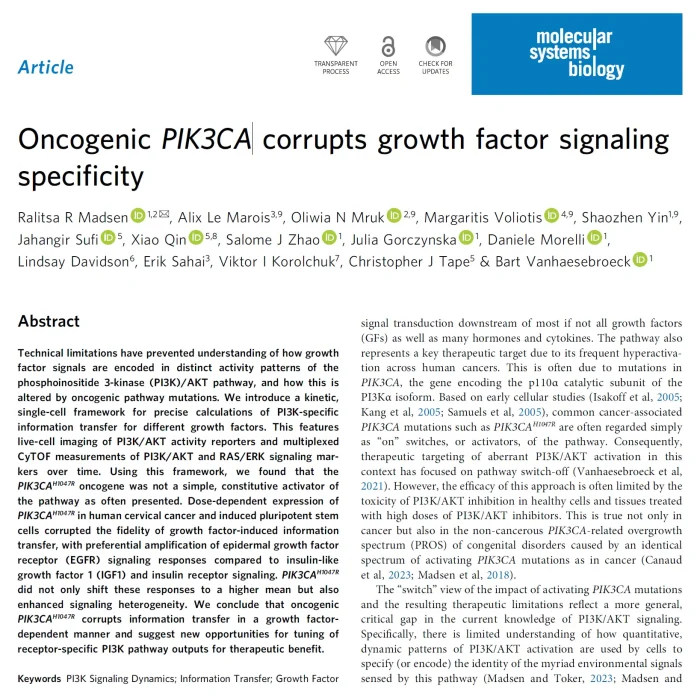
Scientific references confirm the value of TissueGrinder’s innovative tissue dissociation approach
“The TissueGrinder from Fast Forward Discoveries quite literally saved my project. I had exhausted all possible options for dissociating fixed cancer cell spheroids for subsequent single-cell signalling studies when I came across this product.
I could hardly believe my eyes when I saw a perfect single-cell suspension generated in less than 3 minutes using the standard ‘Harsh’ protocol — without enzymes.
It is now an integral part of my single-cell signalling workflows, and some of my key discoveries over the last year would likely not have been possible without it.”
Ralitsa Madsen – Sir Henry Welcome Postdoctoral Fellow, University College London
Contract Research
High-Throughput Workflows
“The TissueGrinder has substantially improved the efficiency of tissue processing in our lab by replacing time-consuming manual workflows. We are now able to process significantly more samples in less time, enabling reliable high-throughput operation.
Implementation was straightforward: the training barrier is low, consumables integrate well with existing lab workflows, and the software is intuitive to use.
This combination of scalability and usability allows us to better meet client demands and has also improved the day-to-day experience of our research associates.”
Flow Cytometry Team – a leading North American CRO
Clinical Research
Routine Sample Processing
“We use the TissueGrinder for dissociating primary tissue samples. It provides valuable automation, reducing hands-on time while improving reproducibility and ease of use.
The system integrates smoothly into our aseptic workflow, and its cost-effectiveness made it an easy decision to continue using it beyond the initial evaluation.
Working with FFX has been a very positive experience, with quick turnaround times and helpful, responsive communication.”
Senior Researcher, Transplantation Research Group – European University Hospital
Generating high quality single cells from tissue samples is a real bottleneck for many applications, such as Flow Cytometry, Single Cell Sequencing, Isolation of Primary Cells, Cancer Cell Line Development to name a few.
Conventional tissue dissociation is is either time-consuming, non-standardized, not scalable or accepting all drawbacks of enzymatic digestion. Or all of them together.
With the TissueGrinder, this bottleneck can be overcome and the door to a new level in single cell analysis can be opened wide.